
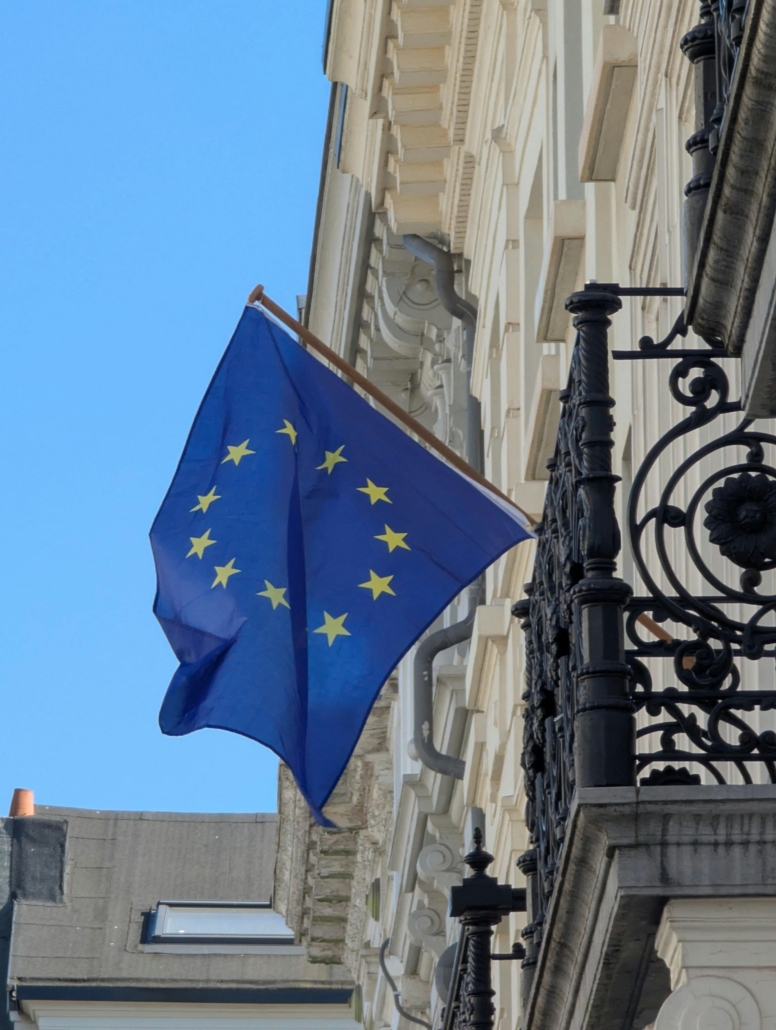
9th of May: Europe Day
Europe Day is celebrated every year on May 9 as a symbol of peace, unity, and cooperation among the nations of Europe. The occasion commemorates the historic Schuman Declaration of 1950, presented by French Foreign Minister Robert Schuman, which proposed the creation of a common European authority to manage coal and steel production. This initiative marked the beginning of what would later become the European Union, transforming a continent once divided by war into a community built on collaboration, stability, and shared prosperity. More than seven decades later, Europe Day serves as a reminder of the importance of solidarity and collective progress in an increasingly interconnected world.
Today, the European Union has evolved far beyond its original economic objectives. It is now a unique political and social partnership that influences the daily lives of more than 450 million citizens across its member states. The EU promotes common policies on trade, climate action, consumer protection, digital transformation, education, and human rights, creating a framework that supports both businesses and individuals. Through freedom of movement, citizens can live, work, study, and travel more easily across borders, while companies benefit from harmonized regulations and access to one of the world’s largest integrated markets.
According to the European Commission, the EU single market represents around 15% of global GDP and includes more than 450 million consumers. For businesses, this provides significant opportunities for expansion, investment, and innovation. Companies can trade more efficiently across member states thanks to common standards, reduced barriers, and coordinated regulations. Small and medium-sized enterprises, in particular, benefit from easier market access and funding opportunities that encourage entrepreneurship and competitiveness. In a global economy shaped by rapid technological change and international competition, the EU offers a stable environment that supports sustainable economic growth.
In recent years, the European Union has also positioned itself at the forefront of innovation and the green transition. Through programs such as Horizon Europe, the EU has allocated more than €95 billion in funding for the 2021–2027 period to support research, technological development, and scientific collaboration. Investments in renewable energy, digital technologies, artificial intelligence, and sustainable infrastructure aim to strengthen Europe’s competitiveness while addressing global challenges such as climate change and energy security. These initiatives create new opportunities for businesses, researchers, and young professionals while contributing to a more resilient and environmentally responsible economy.
Europe Day is therefore more than a ceremonial celebration; it is a reflection of the enduring value of cooperation among European nations. In a time marked by geopolitical uncertainty, economic challenges, and environmental pressures, the European project demonstrates how unity can create strength and stability. For businesses, deeper European integration means access to investment opportunities, larger markets, and long-term economic confidence. For citizens, it represents peace, democratic values, and the possibility of shared progress across borders. Ultimately, Europe Day highlights the idea that collaboration is not only a political aspiration but also a practical strategy for economic development, innovation, and prosperity for future generations.


