
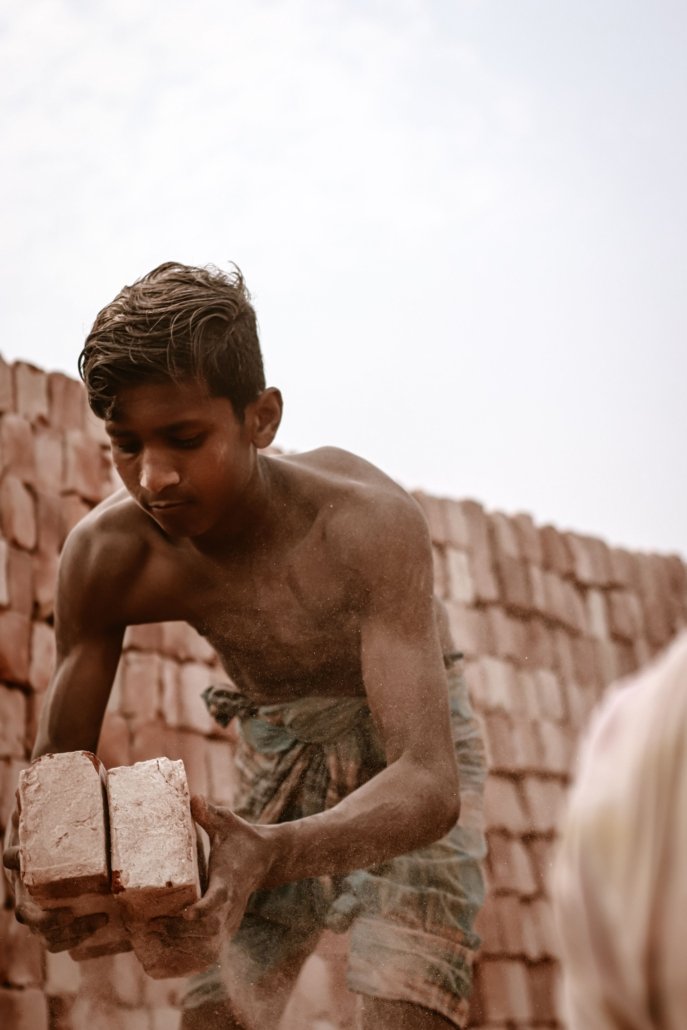
12 June: World Day Against Child Labour
The World Day Against Child Labour serves as an important reminder of one of the most pressing social issues affecting millions of children around the world. Despite significant progress achieved through international cooperation, legislation, and awareness campaigns, child labour remains a persistent and alarming reality. According to the International Labour Organization (ILO), approximately 160 million children worldwide are still engaged in child labour, with nearly half of them working in hazardous conditions that threaten their health, safety, and overall development. These figures highlight the urgent need for continued action to eliminate child labour in all its forms.
Child labour is often associated with poverty, but its causes are far more complex. In many countries, inadequate educational systems, social inequalities, weak legal protections, armed conflicts, and economic instability contribute to the problem. Families struggling to survive may depend on the income generated by their children, forcing them to leave school and enter the workforce at an early age. As a result, these children are deprived of their fundamental rights, including access to education, recreation, and a safe childhood. This creates a cycle of poverty that can continue across generations, limiting opportunities for both individuals and communities.
Addressing child labour requires coordinated efforts at the global, national, and local levels. Governments play a crucial role in enforcing labour laws, strengthening child protection systems, and ensuring access to quality education for all children. International organizations and non-governmental organizations also contribute by providing resources, advocacy, and support programs designed to reduce the conditions that lead to child labour. However, lasting change can only be achieved when all stakeholders work together toward a common goal.
Businesses have a particularly important role in combating child labour. In today’s globalized economy, companies often rely on extensive international supply chains that may involve multiple suppliers and subcontractors. Ensuring that these supply chains are free from child labour is both an ethical responsibility and a key component of sustainable business practices. Transparency, supplier certifications, regular audits, and strict compliance standards are essential tools for identifying and preventing the exploitation of children. Companies must take proactive measures to monitor their operations and hold suppliers accountable for maintaining fair and legal working conditions.
Beyond monitoring supply chains, businesses can make a meaningful contribution by investing in educational initiatives and community development programs. Supporting schools, providing scholarships, and funding local social projects can help create environments where children have access to learning opportunities rather than being forced into work. Such initiatives not only benefit children and their families but also contribute to the long-term social and economic development of communities.
Corporate social responsibility is therefore critical in the fight against child labour. Organizations that actively promote transparency, ethical sourcing, and children’s rights demonstrate leadership and commitment to building a more equitable society. Their efforts help raise awareness, encourage industry-wide change, and inspire other businesses to adopt responsible practices.
World Day Against Child Labour reminds us that protecting children is a shared responsibility. The true measure of a society’s progress is not only its economic success but also how it treats its most vulnerable members. By working together; governments, businesses, communities, and individuals, we can create a future in which every child could learn, grow, and thrive in a safe and supportive environment, free from exploitation and child labour.


