
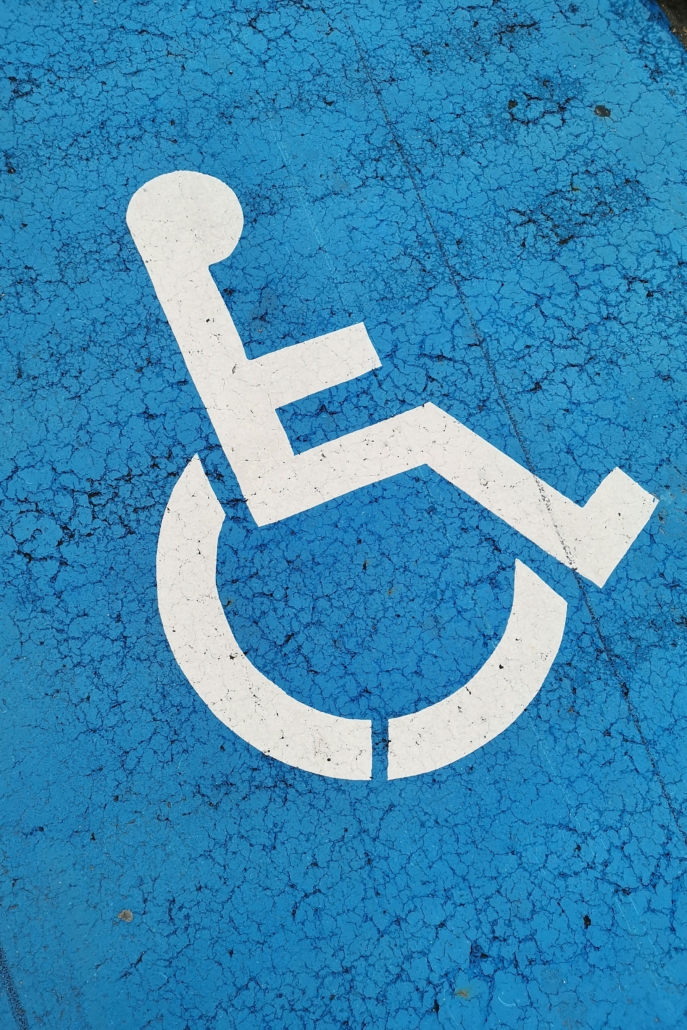
17th of May: Global Accessibility Awareness Day
Global Accessibility Awareness Day highlights the importance of universal design and inclusion in modern society. It serves as a reminder that accessibility is not only a matter of convenience but a fundamental human right that enables people of all abilities to participate fully in everyday life. According to the World Health Organization, more than 16% of the global population lives with some form of disability, representing over 1.3 billion people worldwide. Despite this significant number, many individuals still face barriers when accessing education, employment, transportation, healthcare, technology, and public services. These obstacles often limit independence and reduce opportunities for social and economic participation.
Accessibility is therefore essential for building inclusive communities where everyone can contribute and thrive. Governments, businesses, and institutions all play a role in ensuring that physical and digital spaces are designed with inclusion in mind. Ramps, elevators, tactile paving, accessible public transportation, and clear signage are examples of physical accessibility measures that make cities and workplaces more usable for everyone. At the same time, digital accessibility has become increasingly important in a technology-driven world. Websites, mobile applications, online platforms, and digital services should be designed so that people with visual, hearing, cognitive, or motor impairments can use them effectively. Features such as screen-reader compatibility, captions, keyboard navigation, and simple layouts improve usability not only for people with disabilities but also for the broader population.
For businesses, adopting accessibility principles is not only an ethical and social responsibility but also a strategic business opportunity. Research estimates that the global “disability market” is worth more than $8 trillion annually when considering people with disabilities and their families, friends, and caregivers who influence purchasing decisions. Companies that ignore accessibility risk excluding a large and loyal consumer base, while those that prioritize inclusive design can expand their reach and strengthen customer satisfaction. Accessibility can also improve innovation, as designing products for diverse users often leads to better and more user-friendly solutions for everyone.
Inclusive workplaces are another important aspect of accessibility. Employers who create accessible environments and provide equal opportunities benefit from a more diverse workforce and a wider range of perspectives and talents. Simple adjustments such as flexible work arrangements, assistive technologies, accessible communication tools, and inclusive hiring practices can make a major difference. When people feel included and valued, productivity, creativity, and employee satisfaction often increase.
Ultimately, accessibility benefits society as a whole. Universal design creates environments that are easier, safer, and more comfortable for everyone, including older adults, parents with strollers, and people experiencing temporary injuries or limitations. Promoting accessibility strengthens equality, diversity, and social cohesion while contributing to economic growth and innovation. Global Accessibility Awareness Day encourages individuals, organizations, and governments to recognize these benefits and take meaningful action toward a world where everyone has equal access and opportunity.


