
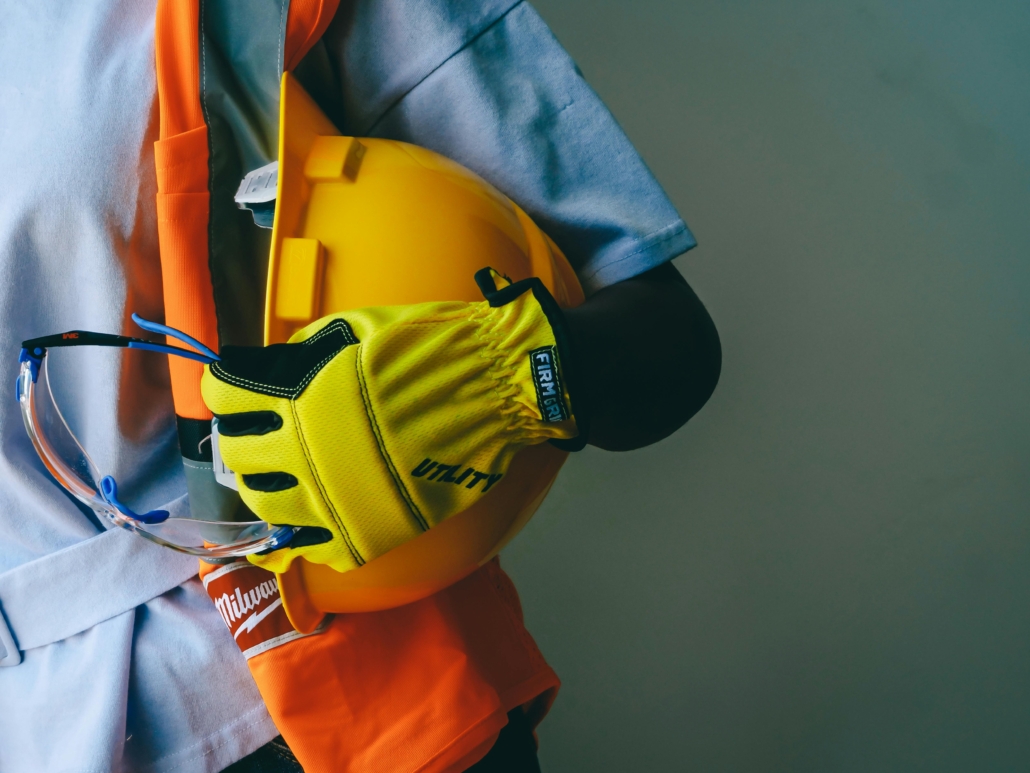
28th of April: World Day for Health and Safety at Work
World Day for Health and Safety at Work serves as a powerful reminder of the fundamental responsibility shared by governments, employers, and workers to ensure safe and healthy working environments. It highlights that workplace safety is not simply a regulatory requirement to be met, but a core value that underpins sustainable economic and social development. Every worker, regardless of industry or role, has the right to perform their duties in conditions that do not compromise their physical or mental well-being.
The scale of the challenge is significant. Each year, millions of people around the world suffer injuries, illnesses, or even lose their lives due to work-related causes. These incidents are often preventable, stemming from inadequate safety measures, lack of training, or insufficient awareness. Beyond the human cost, the economic consequences are substantial. Businesses face reduced productivity, increased absenteeism, compensation claims, and reputational damage. At a global level, these losses represent a considerable burden on economies, highlighting that neglecting workplace safety carries far-reaching implications.
However, organizations that prioritize occupational health and safety consistently demonstrate stronger performance and resilience. Investing in safe working conditions leads to fewer accidents, which in turn reduces downtime and operational disruptions. Employees who feel protected and valued are more engaged, motivated, and loyal, contributing positively to overall productivity and workplace morale. In this sense, safety becomes a strategic asset rather than a cost, supporting long-term success and competitiveness.
A proactive approach to workplace safety involves more than compliance with standards. It requires building a culture where safety is embedded in everyday practices and decision-making processes. This includes regular risk assessments, clear communication, and continuous education and training. Workers should be encouraged to report hazards and participate actively in safety initiatives, fostering a sense of shared responsibility.
Technological advancements are also transforming how organizations manage health and safety. The use of smart sensors, wearable devices, and digital monitoring systems allows real-time identification of risks and faster response to potential hazards. Artificial intelligence can analyze patterns and predict incidents before they occur, enabling preventive action. These innovations not only enhance protection but also provide valuable data to continuously improve safety strategies.
At the same time, evolving work environments; such as remote work, gig economy roles, and automation, introduce new challenges. Psychosocial risks, ergonomic issues, and changing labor dynamics must be addressed alongside traditional physical hazards. This reinforces the need for adaptable and inclusive safety frameworks that reflect the realities of modern work.
Ultimately, protecting workers is both a moral obligation and a practical necessity. Safe workplaces contribute to healthier societies, stronger economies, and more responsible organizations. World Day for Health and Safety at Work reminds us that progress should never come at the expense of human well-being. By prioritizing prevention, embracing innovation, and fostering a culture of care, we can create work environments where safety and productivity go hand in hand, ensuring a better future for all.


